Returning to the Gym After 10 Years: Where Do You Start?
Leave your old personal bests in the past and build a return that fits work, family and the life you have now.

You remember the gym. You might remember being confident with the equipment, having a regular routine and lifting weights that would feel unfamiliar now. Then work, family, injuries or other priorities took over. Somehow, ten years passed.
Returning to the gym after a long break can feel harder than starting for the first time. You’re comparing today’s session with a version of yourself who had different responsibilities and a different training history.
I’d rather help you build a useful starting point than spend the first month trying to prove you haven’t changed. You can take your goals seriously without expecting your old programme to fit your current life.
Give yourself permission to be out of practice
Feeling uncertain doesn’t mean you’ve lost your ability to learn. You may need a reminder about the equipment, time to practise movements or a plan you can follow without making twenty decisions on the gym floor.
A gym induction or a quiet first visit can help you get your bearings. Find the equipment you’ll use, ask how to adjust it and check where you can put your belongings. These small practical steps can make the next visit less of an event.
There’s no need to arrive with a performance to deliver. Your first job is to leave knowing a little more about what you can manage now.
Your old best lift is history, not a starting weight
A previous personal best tells you something about your past training. It doesn’t tell you what to load on the bar today. Years away, changes in activity, health and confidence all matter.
I’d choose starting weights from how you move and respond now. That may mean an empty bar, a machine, a light dumbbell or a simpler version of an exercise. Using something manageable gives us information without turning the first session into a maximum-effort test.
You can keep the old numbers as part of your story. Just don’t let them write the first week of your new programme.
Being over 40 changes the context, not your right to train
You may have less spare time than you did in your twenties. You might also be managing an injury history, disrupted sleep or a demanding job. Those details deserve a place in the programme.
They don’t make progress pointless. Research supports resistance training as a way to improve strength and support function in older adults. Individual starting points still vary widely, and evidence from older age groups shouldn’t be treated as a description of every person over 40. 1
If your health or symptoms raise questions about exercise, get appropriate medical or allied-health guidance. A coach can work with relevant recommendations; they shouldn’t ask you to ignore them.
Pick a frequency you can keep
Look at an ordinary week, including school runs, work travel and family commitments. Choose two realistic training windows before considering an ambitious split.
Australian guidance includes muscle-strengthening activity on at least two days per week. 2 For someone rebuilding a routine, two whole-body visits can be a practical way to get started. The exact plan should reflect your current capacity and goals.
For example, a hypothetical parent might choose Tuesday before work and Saturday morning. They might also agree that a shorter home session is the fallback when a work trip disrupts Tuesday. That is planning for real life, not lowering the value of their goal.
Rebuild movement confidence with repetition
Keep a small group of suitable exercises for long enough to learn them. Changing everything each visit can make it hard to tell whether you’re improving or simply encountering something new.
Start with familiar movement patterns where they suit you: a squat or leg press variation, a hip movement, a push, a pull and some trunk work. Familiar doesn’t have to mean identical to the exercise you used ten years ago.
If you need a more detailed introduction to exercise choices, read how to start strength training after 40. You’re allowed to use beginner guidance even if you used to be an experienced trainee.
Keep the first sessions manageable
You can work hard later without doing everything immediately. I’d rather see controlled repetitions, a manageable amount of work and an honest record of how you feel than a long session followed by a week of avoiding the gym.
The ACSM’s 2026 guidance allows for different equipment and approaches and does not require every set to reach muscular failure for the average healthy adult. 3 That supports keeping your return straightforward. The specific starting load and volume remain individual decisions.
Manage soreness without making it the scorecard
Some soreness after unfamiliar exercise can happen. It doesn’t prove that the session was better, and being able to move normally afterwards doesn’t mean you failed to train properly.
Write down how the workload affects the next few days. Can you do your job, manage the stairs and feel ready for the next session? If not, the amount of work may need adjusting. You can reduce sets, choose a different exercise or ease the effort.
Don’t label all pain as ordinary soreness. Severe muscle pain or swelling, especially with marked weakness or dark urine, needs urgent medical assessment. 4 Persistent or worsening symptoms also deserve appropriate advice rather than repeated attempts to push through.
Progress from what you’ve actually done
Track sessions, exercises, repetitions, loads and a brief note about effort. Use that information to decide when a small increase is sensible.
Sometimes progress is another repetition with the same load. Sometimes it’s doing the planned work with more control. A week affected by poor sleep might be a week to maintain rather than increase.
There’s no need to make up missed training by doubling the next session. Resume with a sensible amount of work and keep the bigger pattern in view.
Have a plan for the week that goes sideways
Decide in advance what your minimum useful week looks like. Perhaps it’s two shorter sessions instead of two full ones. Perhaps it’s one visit during a genuinely difficult week, followed by a return to the normal routine.
A smaller week doesn’t erase the previous month. The all-or-nothing approach often turns a temporary disruption into a much longer break. I’d rather adjust the plan than ask you to wait for perfect conditions.
Support the routine with regular meals and sleep where you can. Australian guidance recommends seven to nine hours of good-quality sleep for adults aged 18–64. 2 If that isn’t happening, acknowledge it in your training decisions.
When coaching can help
Guidance can be useful if you’re unsure what to do, keep changing plans or need help fitting training around your responsibilities. My coaching includes personal feedback and adjustments, so the plan can develop with you.
The 12-Week Comeback offers a structured starting phase with training, nutrition support and scheduled calls. Strong for Life provides ongoing coaching. A discovery call gives us a chance to work out which starting point suits you.
You don’t have to recreate your old routine to have a worthwhile return. Build something you can use in the life you have now.
References & further reading
- Fragala et al. (2019). Resistance Training for Older Adults: NSCA Position Statement.
- Australian Government. Recommendations for adults (18 to 64 years), updated June 2026.
- American College of Sports Medicine (2026). Updated resistance training guidance.
- Healthdirect. Rhabdomyolysis: warning signs and when to seek care.
General educational information. Exercise examples and treatment discussions need to be adapted to the individual; they do not replace personal assessment or medical advice.
Let’s find your starting point.
I’ll help you work out a plan around your goals, experience and available time.
Explore The 12-Week ComebackKeep reading.

How to Start Strength Training After 40
A manageable starting point: choosing exercises, finding the right effort and building a routine you can keep.
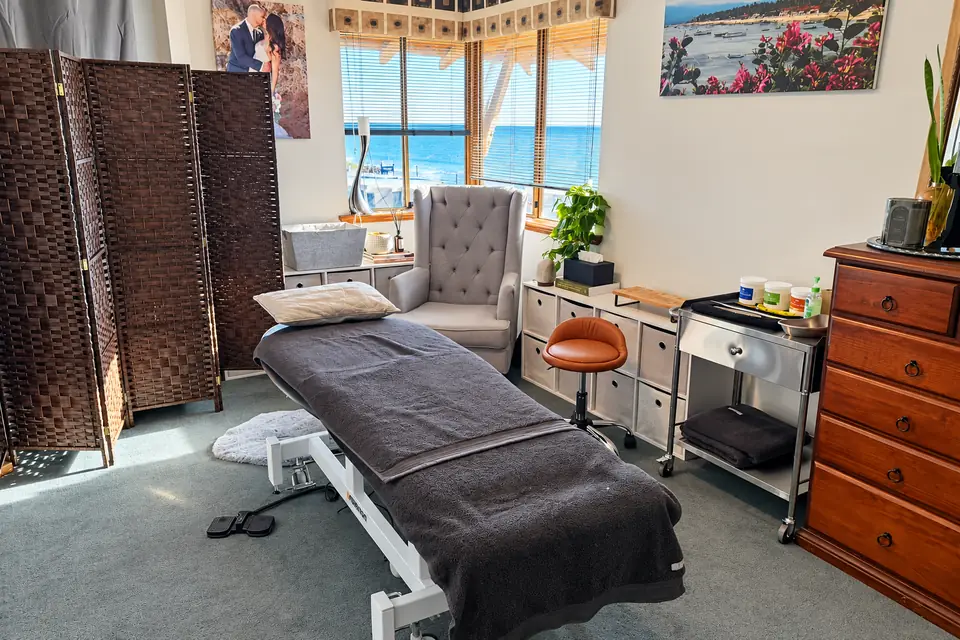
What to Expect at Your First Remedial Massage Appointment
How booking, intake, consent and treatment work at my North Beach home clinic—and how to stay comfortable throughout.