Remedial Massage vs Relaxation Massage: What's the Difference?
Understand the purpose, pressure and expectations of each approach so you can choose a session that suits you.
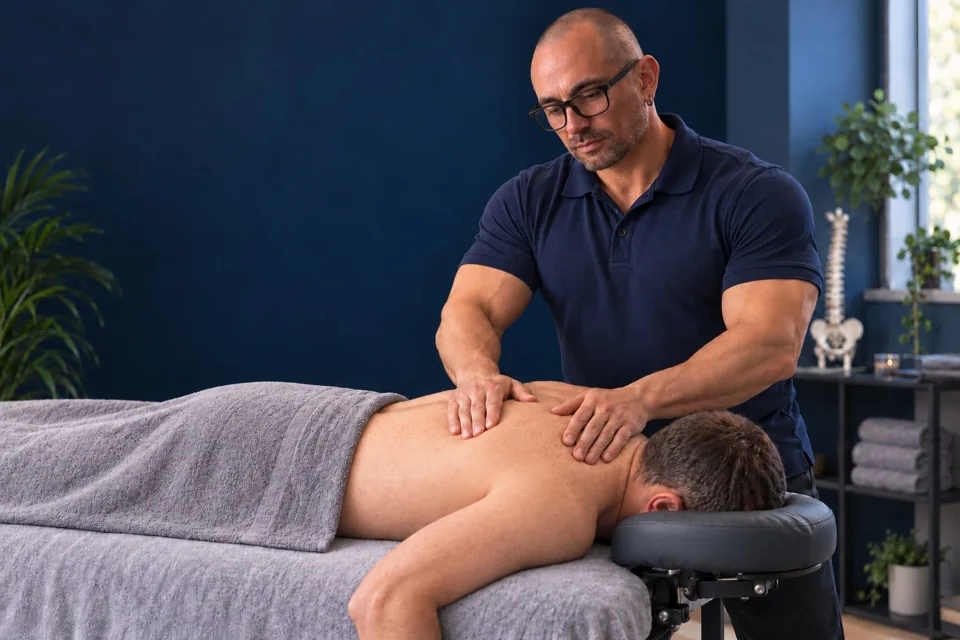
If you’re looking at a massage menu and wondering whether you need remedial or relaxation massage, you’re asking a sensible question. The names can make them sound like completely different experiences, with one for people who are injured and the other for people treating themselves.
There’s more overlap than that. The useful starting point is what you’d like from the appointment, what’s happening with your body and what feels comfortable to you. I’ll help you work that out rather than expect you to diagnose yourself before booking.
What does remedial massage involve?
In my practice, remedial massage starts with a conversation and an appropriate assessment. I want to understand the area you’re concerned about, how it affects your day and whether there are reasons to adapt treatment or suggest another professional.
We then agree on a focus and use suitable techniques around that. Your appointment includes discussion, consent, hands-on treatment and reassessment within the booked time. It isn’t a fixed routine applied to everyone with the same body part written on their booking.
That focus might be your shoulders after long days at a desk, your back after physical work or muscles that feel overworked around training. The label doesn’t automatically explain the cause of your symptoms. My job is to work within my scope and recognise when massage isn’t the appropriate next step.
What does relaxation massage involve?
With Swedish or relaxation massage, the emphasis is on a gentler, more settled experience and time to unwind. You might prefer a slower session, attention across several areas, and pressure that feels comfortable rather than a particular problem being the main focus.
You don’t need to justify that by arriving with an injury. Wanting some time for yourself is a reasonable reason to book. It also doesn’t mean the appointment should happen without a discussion about your health, preferences and consent.
At Strong By Rucci, you can choose a relaxation session or combine relaxation and remedial techniques. We can discuss that rather than treating the menu as a test you need to pass.
The main difference is the purpose of the session
| Question | Remedial focus | Relaxation focus |
|---|---|---|
| What brings you in? | A particular area of tension, discomfort or a movement concern you want to discuss. | A wish to unwind and have a comfortable, more general massage. |
| How is it planned? | Assessment and agreed priorities guide where we spend the session. | Your preferences and comfort guide the flow, pressure and areas included. |
| Does it have to be firm? | No. Pressure is tailored and can be changed. | No. You can ask for the level that suits you. |
| Can it be adapted? | Yes, including when an area needs a different approach. | Yes. You can ask to include or avoid particular areas. |
These are descriptions of how I approach the appointments, not a claim that every therapist uses the terms identically. If you book elsewhere, ask what that provider includes.
Assessment matters, whichever option you choose
Tell me about your symptoms and anything relevant to treatment, including injuries, surgery, health conditions and medication. Mention changes even if you think they’re unrelated. Information such as a recent operation or a medicine that affects bleeding may change what is appropriate.
Assessment is also about setting expectations. “I want to leave completely pain-free” is understandable, but it isn’t an outcome I can promise. We can agree on what to focus on and review how you respond, without pretending the cause of every discomfort is obvious.
If you’re unsure whether massage is suitable, contact me before booking. We may need advice from your healthcare professional rather than trying a treatment and hoping for the best.
Remedial massage does not have to hurt
I don’t use your ability to tolerate pain as a measure of a successful session. You should be able to tell me that pressure is too much, that an area feels uncomfortable or that you’d like me to stop.
People have different preferences, and preferences can change within an appointment. You might enjoy firmer work through your upper back but want a gentler approach somewhere else. That is something we can adjust.
I may use remedial massage, myofascial techniques, trigger point work or mobility techniques where appropriate. Dry needling is a separate discussion: it may be included when clinically indicated, within my scope and with your specific consent. Booking remedial massage doesn’t mean you have agreed to needles.
What does the evidence support?
Research on massage varies by condition, technique and comparison treatment. A 2024 review in JAMA Network Open mapped systematic reviews of massage for adult pain conditions. Most conclusions had low or very low certainty; none in its evidence map had high certainty. That calls for measured expectations, rather than a blanket promise of pain relief. 1
For example, a 2024 Cochrane review found that massage may make little or no difference to pain and function compared with a placebo for persistent neck pain, with low confidence in the evidence. That finding is specific to that question, not a verdict on every possible reason to have a massage. 2
My practical response is to ask what matters to you, explain the uncertainty, and review whether the approach is useful for you. Feeling more relaxed after a session is a valid experience. It doesn’t demonstrate that a particular structure has been “fixed”.
What massage cannot guarantee
I won’t promise that massage will cure a medical condition, prevent an injury, repair tissue faster or permanently resolve your discomfort. I also won’t tell you that every tight feeling means something is damaged or that you need an indefinite series of appointments.
Massage shouldn’t delay medical assessment for a concerning symptom. The US National Center for Complementary and Integrative Health advises people not to use it to postpone seeing a healthcare professional about a medical problem. It also notes that while risk is generally low, adverse effects can occur, particularly with vigorous techniques or vulnerable clients. 3
How to choose your appointment
Ask yourself what you most want help with today. If there’s one area you want to discuss, tell me. If you’d like a relaxing massage, say that. If you’re somewhere between the two, we can combine the approaches where appropriate.
On the North Beach remedial massage page, you book by appointment length. I suggest 60 minutes for most first visits so there is time to talk and work on more than one area. Shorter or longer appointments remain available.
The Reset Series is an optional focus for a standard 60-minute massage, covering desk work, training, back and hips, or physical work. You don’t need to choose one before booking. Tell me what’s going on, and we’ll decide what makes sense for your session.
References & further reading
- Mak et al. (2024). Use of Massage Therapy for Pain, 2018–2023: A Systematic Review. JAMA Network Open.
- Cochrane (2024). Massage for neck pain.
- NCCIH. Massage Therapy: What You Need To Know.
General educational information. Exercise examples and treatment discussions need to be adapted to the individual; they do not replace personal assessment or medical advice.
A treatment built around you.
Find out what’s available at my North Beach home clinic and choose an appointment that suits you.
Explore Remedial Massage in North BeachKeep reading.
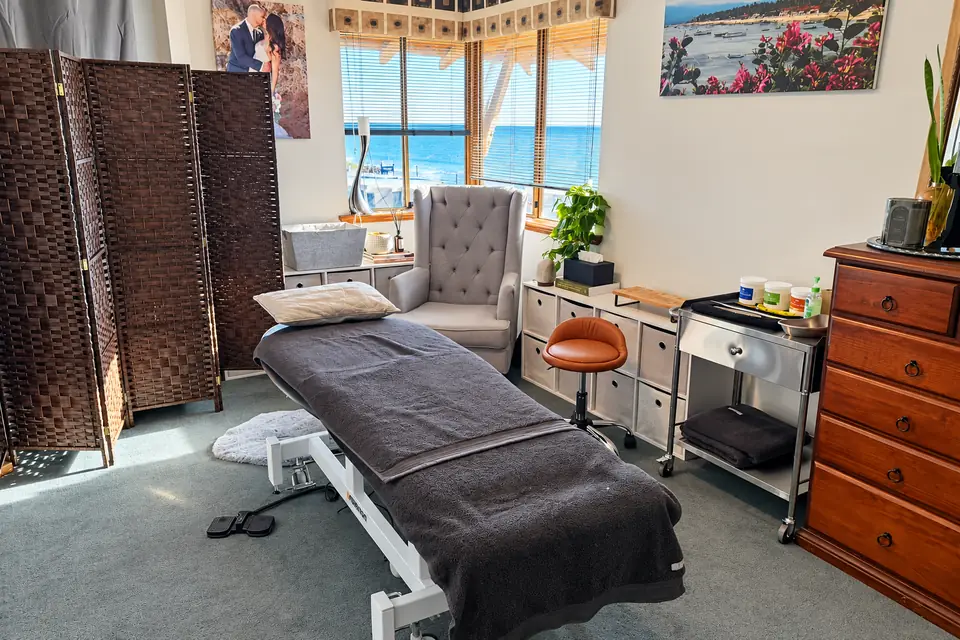
What to Expect at Your First Remedial Massage Appointment
How booking, intake, consent and treatment work at my North Beach home clinic—and how to stay comfortable throughout.

How to Start Strength Training After 40
A manageable starting point: choosing exercises, finding the right effort and building a routine you can keep.